

-
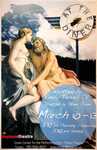
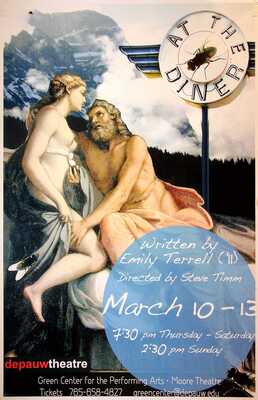
At the Diner
Spring 2011
Loosely based on the Greek myth of Io, At the Diner tells the story of a young woman waitressing at a Midwest diner, who has decided to break away from her going nowhere existence and forge ahead at the life she’s always wanted. Io's plans go drastically awry, however, when she becomes the prey of Zeus and nemesis of his wife, Hera. With no recourse, Io is swiftly enveloped in the couple’s tragic cycle of lust, secrecy, and revenge. This first play by senior Emily Terrell examines the classic Greek theme of fate versus free will within an imaginative modern context. -
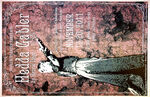
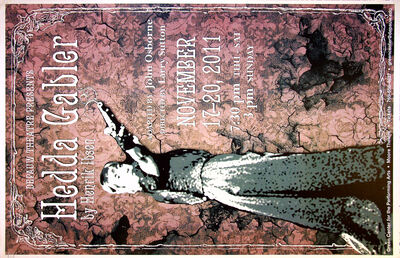
Hedda Gabler
Fall 2011
In 1890 Henrik Ibsen created what many think is his most interesting and revealing study of a woman’s character – Hedda Gabler. The play is traditional in structure but breaks away from overly sentimental plays of the earlier 19th century and presents a world in which traditional social convention and morality appear inconsistent and irrelevant. The character of Hedda is a study of a frustrated, isolated woman striving to assert herself and control the world around her. Although she appears clever, assured, and proud, she lacks the inner strength to live independently of the world’s social and moral conventions. -
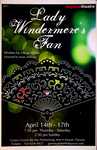
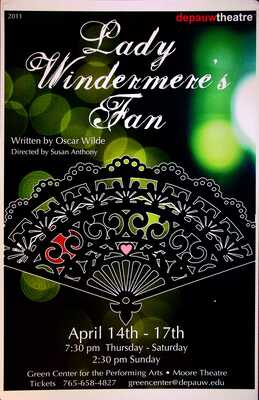
Lady Windermere's Fan
Spring 2011
As the play opens, the young and happily married Lady Windermere, a “good woman,” receives two items for her birthday: a lovely antique fan and the startling news that her husband may be having an affair with an older woman, the beautiful and famously promiscuous Mrs. Erlynne. But is the hold Mrs. Erylnne has on Lord Windermere of the adulterous kind? And why is she so interested in Lady Windermere? At the play’s crisis, Lady Windermere has risked her reputation and her happy life to obtain revenge upon her husband, only to be saved by none other than Mrs. Erylnne, the true exemplar of a “good woman.” First produced in 1892, Lady Windermere’s Fan, like many of Wilde's comedies, is a stinging satire on the morals of Victorian society, particularly the institution of marriage. -
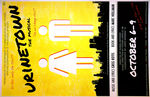
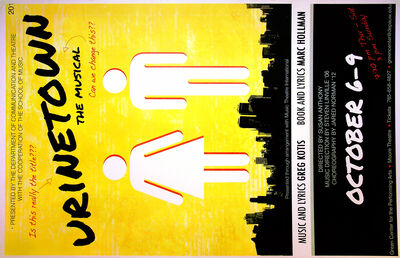
Urinetown
Fall 2011
The 2002 Tony award-winning Urinetown depicts the harshness of life in a society that has depleted its natural resources. Following a 20-year drought, the worldwide water shortage has led to a government ban on private toilets, and all of the "public amenities" are controlled by one powerful company that profits – by charging admission. A young hero emerges to inspire the desperate poor to rebel. Musical numbers in Urinetown parody famous songs from Broadway hits, including Les Miserables, Evita, West Side Story and Annie. One critic notes, “ Of course, you’re not supposed to like that title – that’s part of the big, good-natured and remarkable successful joke that is Urinetown.” You won’t want to miss this “… terrifically spirited send-up of musicals and their conventions.”
Printing is not supported at the primary Gallery Thumbnail page. Please first navigate to a specific Image before printing.