

Welcome to the DePauw Theatre archives, where we invite you to explore the rich history of our past seasons. From thought-provoking dramas to vibrant musical productions, you can browse through years of student performances and creative milestones below.












-
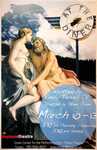
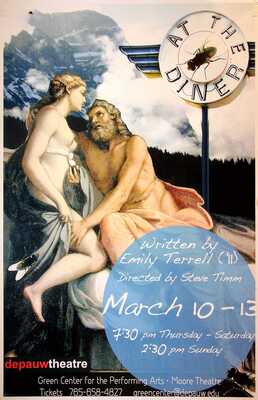
At the Diner
Spring 2011
Loosely based on the Greek myth of Io, At the Diner tells the story of a young woman waitressing at a Midwest diner, who has decided to break away from her going nowhere existence and forge ahead at the life she’s always wanted. Io's plans go drastically awry, however, when she becomes the prey of Zeus and nemesis of his wife, Hera. With no recourse, Io is swiftly enveloped in the couple’s tragic cycle of lust, secrecy, and revenge. This first play by senior Emily Terrell examines the classic Greek theme of fate versus free will within an imaginative modern context. -
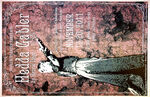
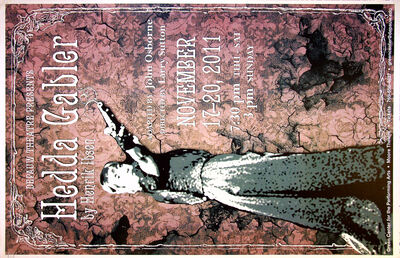
Hedda Gabler
Fall 2011
In 1890 Henrik Ibsen created what many think is his most interesting and revealing study of a woman’s character – Hedda Gabler. The play is traditional in structure but breaks away from overly sentimental plays of the earlier 19th century and presents a world in which traditional social convention and morality appear inconsistent and irrelevant. The character of Hedda is a study of a frustrated, isolated woman striving to assert herself and control the world around her. Although she appears clever, assured, and proud, she lacks the inner strength to live independently of the world’s social and moral conventions. -
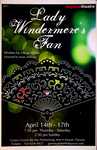
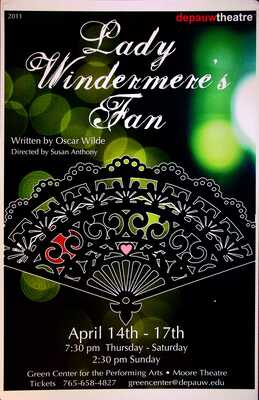
Lady Windermere's Fan
Spring 2011
As the play opens, the young and happily married Lady Windermere, a “good woman,” receives two items for her birthday: a lovely antique fan and the startling news that her husband may be having an affair with an older woman, the beautiful and famously promiscuous Mrs. Erlynne. But is the hold Mrs. Erylnne has on Lord Windermere of the adulterous kind? And why is she so interested in Lady Windermere? At the play’s crisis, Lady Windermere has risked her reputation and her happy life to obtain revenge upon her husband, only to be saved by none other than Mrs. Erylnne, the true exemplar of a “good woman.” First produced in 1892, Lady Windermere’s Fan, like many of Wilde's comedies, is a stinging satire on the morals of Victorian society, particularly the institution of marriage. -
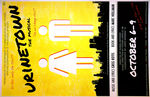
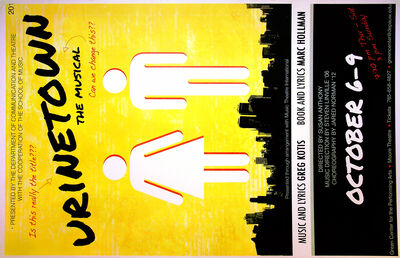
Urinetown
Fall 2011
The 2002 Tony award-winning Urinetown depicts the harshness of life in a society that has depleted its natural resources. Following a 20-year drought, the worldwide water shortage has led to a government ban on private toilets, and all of the "public amenities" are controlled by one powerful company that profits – by charging admission. A young hero emerges to inspire the desperate poor to rebel. Musical numbers in Urinetown parody famous songs from Broadway hits, including Les Miserables, Evita, West Side Story and Annie. One critic notes, “ Of course, you’re not supposed to like that title – that’s part of the big, good-natured and remarkable successful joke that is Urinetown.” You won’t want to miss this “… terrifically spirited send-up of musicals and their conventions.” -
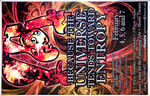
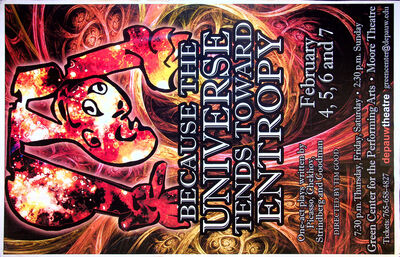
Because the Universe Tends Toward Entropy
Spring 2010
The horrifying things that we do to one another, and the lengths to which we go to try to repair them, take center stage in this assemblage of one-act plays from Modernist masters. Chekhov's riotous farce, The Marriage Proposal, is followed by Strindberg's exploration of infidelity in The Stronger. Pablo Picasso's only play, Desire Trapped by the Tail, offers a funny, abstract take on personal relationships. The stories conclude with Dust of the Road by Kenneth Sawyer Goodman, where we encounter Judas eternally wandering the earth, trying desperately to undo the damage he has done. -
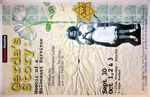
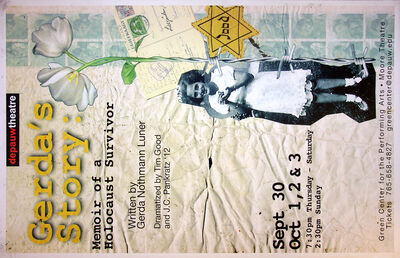
Gerda’s Story: Memoir of a Holocaust Survivor
Fall 2010
This moving tale is based on the authentic account of Gerda Nothmann Luner’s Holocaust survival. As a young girl, all of Gerda’s hopes and dreams are forever shattered when Nazis invade her homeland. Alone, Gerda journeys to safety by way of a foster family in Holland, experiencing arrest, deportation, and a remarkable series of circumstances that lead to her emigration to America. A post-performance discussion on Friday will feature Gerda's husband, Charles Luner. Don’t miss this extraordinary narrative of hope and courage. -
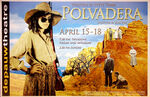
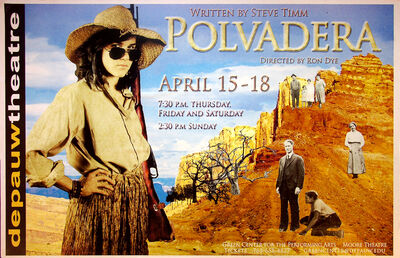
Polvadera
Spring 2010
During the Great Depression a young woman’s hope to escape the rural Midwest for the big city is compromised when she makes a gruesome discovery in a neighbor’s field. Haunted by the discovery and by her ability to witch water, she instead seeks refuge in the canyon country of southeastern Utah. But both her past and water are relentless in pursuing her. Thirty‑five years later she’s forced to return to the same field where she makes yet another terrible discovery. In this new play, Professor Timm shrewdly explores the impact of polvadera, or ‘the dust we leave behind.” -
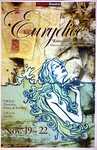
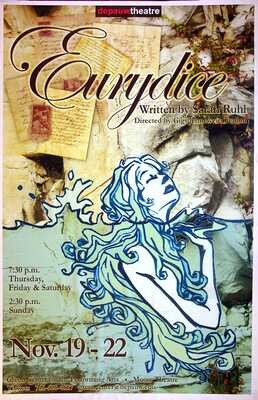
Eurydice
Fall 2009
On the day Eurydice marries her true love Orpheus, a tragic misstep sends her plummeting to the surreal depths of the Underworld. Memories are forbidden in this world of the dead, but an unexpected reunion with her father vividly awakens Eurydice’s mind to the love she felt in life. When in his search for her, Orpheus uses his music to penetrate the gates of the Underworld, Eurydice must painfully decide whether to remain with her father or return with her earthly love. A modern tale of love and loss, Eurydice is playwright Ruhl’s imaginative interpretation of the classic Orpheus myth told from the heroine’s point of view, abounding with surprising plot twists and quirky humor.